Gaga1938 ' s blog

  • Trang chủ

e

Recent Posts

Flag Counter
FOR FOREIGNERS

NHÃN

Thư giãn,Chia sẻ,Cảm nhận,Du lịch,Chuyện lạ,Tưởng nhớ,Sinh nhật, Kỷ niệm,Tin tức,Tìm hiểu, Chúc mừng, Chào mừng, Relax,Renewable Energy, Business New, Energy New, Climate Change,Discovery,Smart Grid

Thứ Tư, tháng 1 31, 2024

Real Zero-How Will We Get There?

6:21 SA  Climate change  No comments


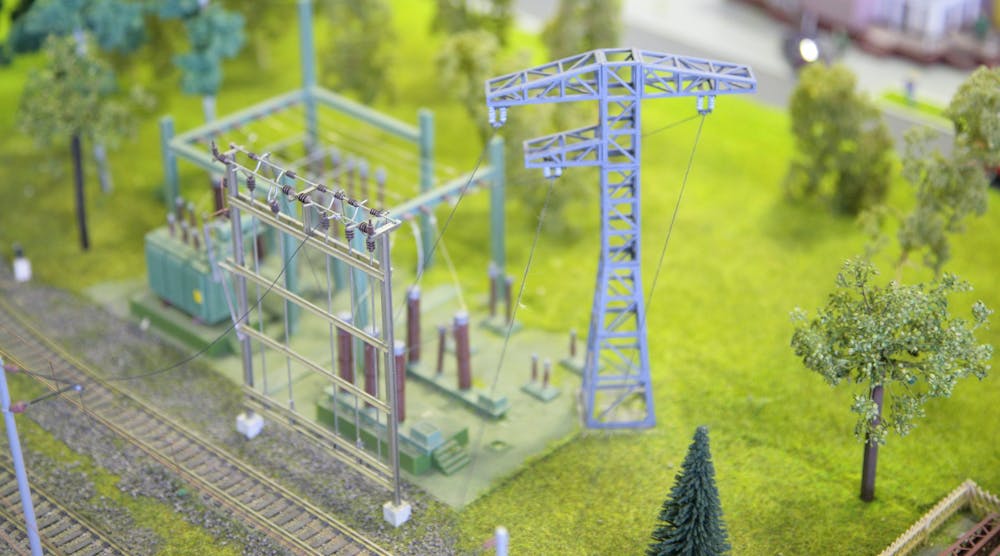
A model of an electrical substation. Net zero or real zero energy by 2050 has dramatic implications on the current planning, design, operations and maintenance of the electric transmission and distribution grid that delivers that energy.
  1. GRID INNOVATIONS

Destination: Real Zero-How Will We Get There?

Jan. 30, 2024
How the power sector can reach net zero and eventually real zero carbon content, and how the transmission and distribution grid can help deliver on these goals.
Mike Beehler

Regulators, politicians and customers seem to be reaching a consensus. The future of electricity will have a net zero, and eventually, real zero carbon content. We could get there perhaps even by 2050.

There are many ways to measure these goals, so definitions are important. Net zero energy is defined as the generation of electricity from non-carbon generating resources like nuclear, hydro, wind and solar with allowances for government approved offsets and credits. Real zero energy does not include the offsets and credits. Net zero or real zero energy by 2050 has dramatic implications on the current planning, design, operations and maintenance of the electric transmission and distribution grid that delivers our energy.

Aiming for 2050

Real zero energy will be achieved alongside massive electrification of mobility, space conditioning and commercial and industrial (C&I) processes. Some predict doubling or tripling the current national peak generating capacity of 1.3 million MW. Substation and telecommunications equipment must be upgraded in capacity and capability to support massive electrification. We will need underground distribution for the reliability and resilience needed for small scale distributed energy resources (DER) that support massive electrification.

Real zero energy will require new nuclear and existing big hydro to provide base load spinning mass for system stability and some degree of fast generation ramping with hydro and pumped storage where available. Otherwise, ramping will be conducted with new and existing high efficiency natural gas turbines. This will require upgrades for existing transmission capacity to support the new nuclear, huge amounts of remote utility-scale renewables, and existing big hydro. Transmission capacity will be developed using existing rights of way with dynamic line rating (DLR), advanced composite conductors, and high voltage direct current (HVDC) conversions.

We can also leverage new “wild card” technology toward this goal. Artificial intelligence (AI) may plan and design the T&D system. Sensors on everything will provide a rich, secure data source for AI algorithms that efficiently deliver the cleanest and most affordable source of generation while enhancing safety, reliability and resiliency of the grid. Advancements in material sciences will lead to superior storage media, working fuel cells, 3D design and printing, robots and more.

Massive Electrification

Electrifying the economy claims many benefits. Electrification brings communities economic development, better transportation and emerging technologies across a broad spectrum of services. Electricity is safe, with design codes and best practices established. Electricity is reliable. Across the U.S., the power grid is 99.97% reliable, according to the Galvin Electricity Initiative. Electricity is relatively inexpensive. According to the U.S .Commerce Department, electricity represents less than 2% of annual household spending.
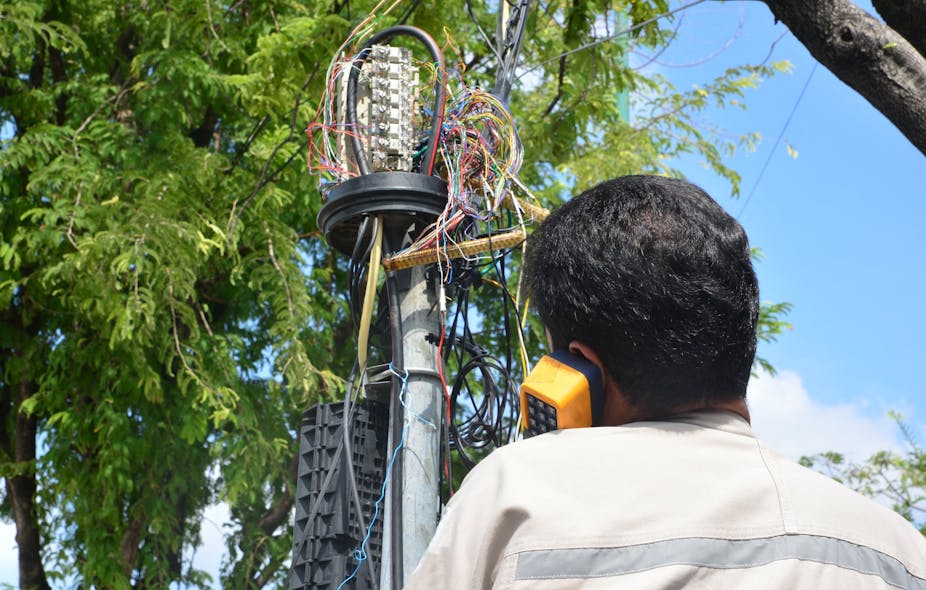
Photo 87709088 © poonsak pornnatwuttikul | Dreamstime.com
A technician plugs a network cable into a line socket. A robust, private broadband network will help electric utilities build and maintain a real zero T&D grid in the years approaching 2050.

Finally, electricity is getting cleaner. As of February 2023, the U.S. has nearly 1.3 million MW of generation capacity, according to the American Public Power Association (APPA). The largest fuel source for this capacity is natural gas (43.9%), followed by coal (17%). Wind, nuclear, and hydro together account for more than one-third of capacity and solar has added than 38,000 MW since 2020.

Substations and Communications

Substations will need to be bigger and telecommunications more robust. Data scientists, engineers and planners must prioritize and schedule the upgrade and doubling of capacity of existing and future substations and strongly consider building a private broadband telecommunications network with a dedicated utility spectrum.

Urban open-air substations that occupy all the available real estate must be converted to gas insulated switchgear (GIS) substations and suburban or rural substations with adequate real estate must have their ultimate build-out doubled in scope. Installing gates and fences, ground grids, conduit systems, control house structures and security measures for the ultimate build-out should be evaluated. Load growth due to massive electrification and data centers, high tech manufacturing, hydroponics and cryptocurrency mining occur in hard to predict parts of the service territory and require rapid deployment of reliable and redundant electric service.
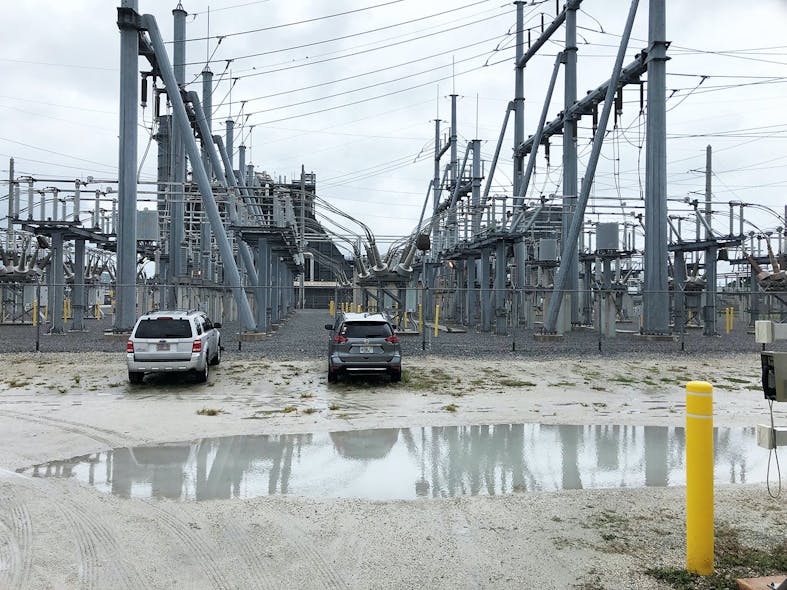
Photo courtesy of Mike Beehler
An electric substation located in the FPL service terriotry. Urban open-air substations that occupy all the available real estate must be converted to gas insulated switchgear (GIS) substations.

The telecommunications technologies that support the substations and the ability to gather rich data sources from transmission and distribution assets and customer locations need to be built concurrently. Several major utilities have started to build out their own private 900mHz dedicated spectrum services.Substations in a real zero grid will be part of a newly defined microgrid-like arrangement that supports critical infrastructure and customers with more onsite capacity, some storage, robust broadband connections, and dedicated underground feeders or transmission.

Going Underground

Much of the real zero power grid must be built underground. Undergrounding offers several advantages compared with overhead lines including reduced vulnerability to weather events like floods, lightning, hurricanes and wildfires. By eliminating the impact of future fires, storm conditions and reducing other potential outages caused by falling tree limbs or vegetation contact, car struck poles, birds and rodents, mylar balloon impacts, ground line wood rot and others, undergrounding contributes to a much more reliable and resilient electric grid.

The industry defines reliability with outage duration and frequency while resilience is defined as the ability to withstand a high impact, low probability (HILP) event with little or no customer outage. Reliability is measured in outage minutes and resilience is typically measured in days. Undergrounding provides a much more resilient system and is the level of performance that real zero energy will require.

More Power

Our industry needs nuclear power to achieve ambitious real zero goals. The Southern Company has commissioned the 1100 MW Plant Vogtle Unit 3 and is working on commissioning Unit 4 with great expense and schedule overruns. But they did it.

The most promise for nuclear in the U.S. is held in small modular reactors (SMR) or advanced reactors planned by PacifiCorp. Nuclear is a key part of PacifiCorp’s 2023 Integrated Resource Plan (IRP).

Large hydroelectric generation from existing dams particularly in the West and New York State represent nearly 6% of the total generating capacity in the US and about 38% of the renewable generation.

Hydropower and pumped storage resources will continue to be part of a clean energy mix for decades to come.

A Grid to Match

Even with abundant local DERs the real zero grid will need a robust transmission system. A megatrend in our industry is realizing capacity from existing transmission rights of way. Routing and permitting new major transmission corridors can take decades as evidenced by SunZia, TransWest Express and some of the larger lines in California. In New England, the Northern Pass Transmission Project applied to the DOE for a presidential permit to construct, operate, maintain, and connect an HVDC line in October of 2010. Northern Pass failed to get approvals and was replaced by the yet-unfinished New England Clean Energy Connect. New long-distance transmission will likely be HVDC and will be sited in railroad and highway ROWs to expedite routing and permitting challenges. In these transportation corridors, the transmission will also likely be underground.

Dynamic line rating allows real-time monitoring and assessment of line capacity based on thermal capacity during prevailing weather and environmental conditions. Unlike traditional static line ratings, which are conservative and fixed or only seasonally adjusted, DLR accounts for conductor tension and temperature, air temperature, wind speed, solar radiation and humidity to determine safe operating limits of transmission more accurately. With static line ratings, lines are often underused during most conditions to prevent potential overheating, violations of minimum ground clearances, or long-term conductor damage during weather events. DLR will maximize available transmission capacity for the short run.

Several utilities across the world are having success in expanding capacity with advanced composite core conductors that allow more ampacity to flow through a same or smaller sized cross-section when compared to steel core conductors. Retro-fitting existing lines to increase capacity without changing structures is commonly done at American Electric Power. Likewise, NV Energy is retrofitting heavily loaded urban lines and is building some new transmission lines with advanced conductors that have more capacity to accommodate potential load growth due to electrification. Advanced conductors have distribution applications as well.

AI’s Impacts

There are different types of AI, ranging from simple rule-based systems to more complex machine learning algorithms that can learn and adapt over time. Like the human brain, AI functions around pattern recognition. As a child, we learn by using our five senses to communicate to our brain. Over time, our brain recognizes the look, feel, smell, sound or taste of an infinite number of people, places and things. With faster computers and sufficient data storage, a computer can do the same thing.

Ubiquitous data sensors can be used on the grid and on customer premises in several ways to maintain and improve safety, reliability and resiliency. Data sensors can monitor the system in real time, providing utilities with instant data that, once processed, can give a picture of infrastructure condition and performance. This can predict and identify issues or problems before they become serious and take proactive measures to maintain system health and reliability. Sensors spot wildfires, downed conductors, failing cables, voltage anomalies and faults in the T&D system. By leveraging the power of data, utilities can improve their operations and support the development of a real zero grid that continues to meet the needs of consumers and communities.

Wild Cards

Lithium-ion battery technology will be replaced with new storage technologies in the next decade. The critical rare earth elements that make lithium-ion batteries like nickel, lithium and cobalt are not sustainable in the long run. Hydrogen storage may be part of that solution.

Bio-fueled fuel cells or hydrogen fuel cells can generate electricity, providing a clean and efficient alternative to traditional fossil-fired power generation. Hydrogen from fuel cells can power electric vehicles, homes, schools and businesses. Bio-fueled fuel cells or hydrogen fuel cells can balance the electric grid by providing a flexible source of power that can respond quickly to changes in demand or supply. Hydrogen fuel cells can provide backup power during times of peak demand, reducing the need for fossil fuel-based peaking plants. Finally, hydrogen fuel cells can be part of a portfolio of generation, storage and demand side management tools used to successfully operate and maintain net zero energy buildings and eventually the real zero grid.

The digital twin is a multi-dimensional model or representation of a physical asset, infrastructure system or city that provides valuable information about asset location, cost, condition and performance. The digital twins are constantly updated from multiple human, robotic and sensory data sources. They are not a static three-dimensional model and can include dimensions for schedule, cost, ESG scoring and more.

The digital twin of the overhead and underground electric transmission and distribution system is a virtual replica of the physical system. It is a computer-based model that incorporates data from various sources, such as sensors, meters, robots and other monitoring equipment, to provide a detailed and accurate representation of the electric system. The digital twin can simulate various design scenarios such as the integration of distributed resources like renewables, storage, electric vehicles (EV) or fuel cells as data scientists, planners and engineers model and prioritize the development of the real zero grid.

The digital twin can assist operators with condition assessment and predictive analyses of asset condition as part of an asset management program or asset health center. This can help utilities optimize their asset management strategies and extend the life of their increasingly loaded substation equipment.
Three-dimensional printing construction may impact the T&D industry in several ways. 3D printing can create durable replacement parts on the jobsite for some equipment and potentially reduce downtime and repair costs. Plastic parts, panels or enclosures in substations or in manholes will be the starting point. As print feedstock metallurgy advances this opportunity will grow significantly and improve the ability to solve some critical path supply chain issues with a printed part rather than a long lead time part from a faraway factory. The real zero grid will need a supply chain that delivers parts and components rapidly, perhaps in real time.

Material science breakthroughs will give our industry superconducting technology that will be safe, reliable and affordable in the next decade. Replacing old underground high-pressure fluid filled transmission lines in heavy urban environments will be a perfect application. ComEd in Chicago has piloted this technology with reasonable success.

Utility companies operate in a rapidly evolving industry that faces technological advancements, changing customer demands, and regulatory shifts. Real zero energy has huge implications for the electric T&D industry.

Executives, planners and technical teams constantly look for innovative solutions that embrace new technologies, ideas, and approaches to enhance and continuously improve their operations, efficiency, and services to customers. The assumptions and ideas herein are an attempt to help the industry move forward and solve for the challenges of achieving real zero energy and the T&D grid to deliver it by 2050.

Mike Beehler P.E. (mebeehler@protonmail.com ) is the chief opportunity officer for Mike Beehler & Associates LLC. He started his career designing and building transmission lines and substations for Tucson Electric Power and the Hawaiian Electric Co. and then spent more than 20 years designing T&D infrastructure and consulting on emerging trends at Burns & McDonnell. He has written, presented and consulted on reliability-centered maintenance, critical infrastructure protection and program management. In addition, he is a well-known industry writer and speaker on the early definition of the smart grid, 3-D and building information modeling applications in T&D, and development plans for smart cities. Most recently, he is sought for his strategic leadership and vision on the application of emerging technologies in changing business models to include the integration of distributed energy resources, augmented/virtual reality and artificial intelligence. He authored the book, The Science of the Sale: A New Paradigm of Thinking for Your Future. Beehler is a registered professional engineer in Arizona, Florida, Hawaii, Texas, Colorado, Kansas, Georgia and Alabama. He also is a Fellow in the American Society of Civil Engineers and a member of IEEE and CIGRE.

Source : https://www.tdworld.com/grid-innovations/article/21280465/how-will-we-get-to-real-zero-energy?o_eid=6018A3268356J1A&oly_enc_id=6018A3268356J1A&rdx.ident[p
 Us
  • Contact Us
  • Advertise
  • Do Not Sell or Share
  • Privacy & Cookie Policy
  • Terms of Service
© 2024 Endeavor Business Media, LLC. All rights reserved.
Endeavor Business Media Logo


Read More

Thứ Hai, tháng 1 29, 2024

Khai phá tiềm năng bể than sông Hồng

6:45 SA  Energy News  No comments


Chiến lược phát triển ngành công nghiệp than Việt Nam đề ra mục tiêu vận hành khai thác thử nghiệm tại bể than sông Hồng trước năm 2040

Phó Thủ tướng Trần Hồng Hà vừa ký quyết định của Thủ tướng Chính phủ phê duyệt Chiến lược phát triển ngành công nghiệp than Việt Nam đến năm 2030, tầm nhìn đến năm 2045. Chiến lược này được phê duyệt trên cơ sở tờ trình của Bộ Công Thương gửi Chính phủ từ cuối năm 2022.

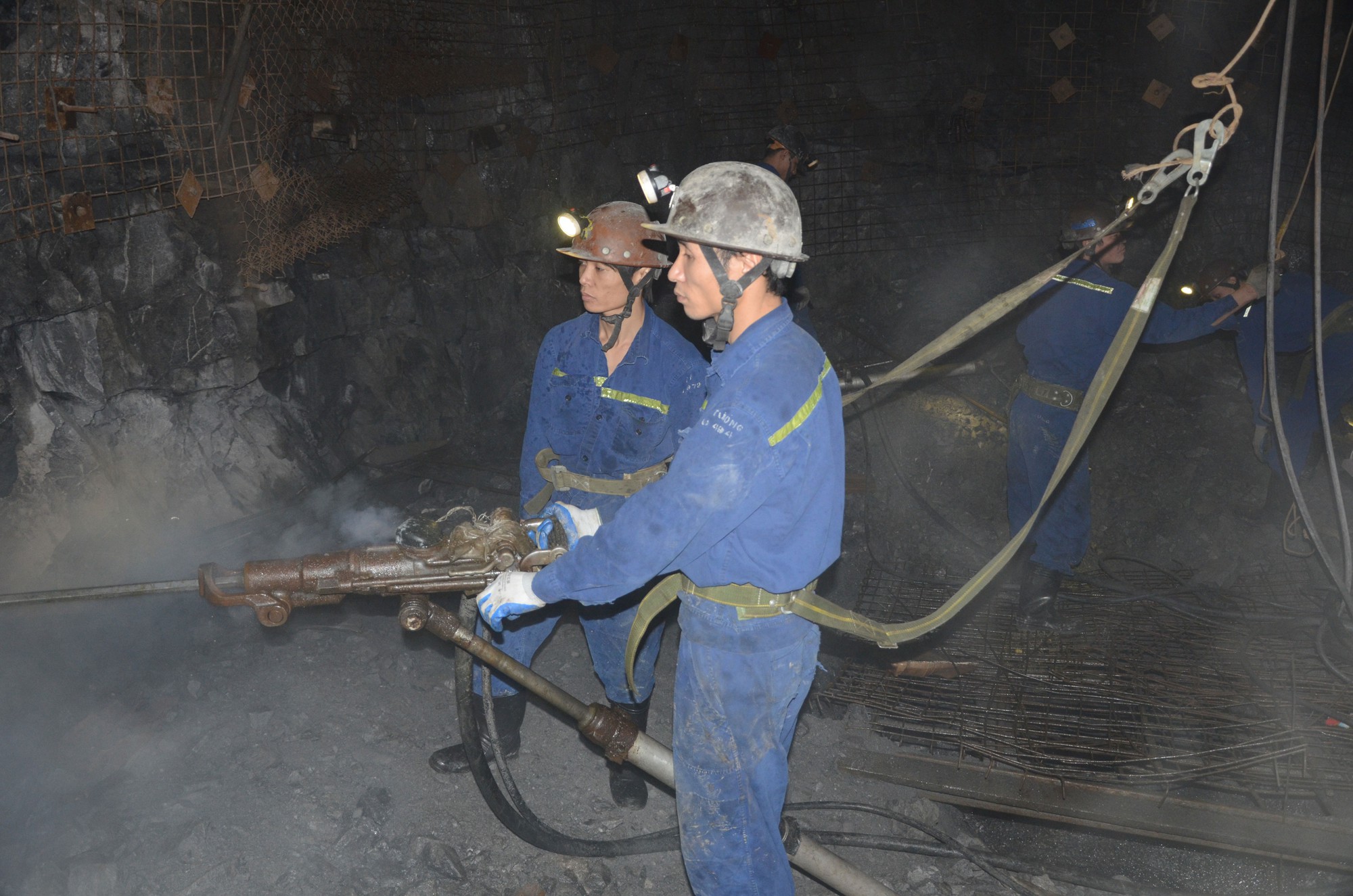
Khai phá tiềm năng bể than sông Hồng- Ảnh 1.

Thăm dò, nghiên cứu từ năm 1954

Chiến lược phát triển ngành than đưa ra mục tiêu tích cực tìm kiếm đối tác trong và ngoài nước nghiên cứu đầu tư lựa chọn công nghệ, phương pháp thích hợp để thăm dò bể than sông Hồng giai đoạn đến năm 2030. Phấn đấu hoàn thành thăm dò một phần diện tích và điều tra, đánh giá xong tài nguyên bể than sông Hồng giai đoạn 2031-2045; phấn đấu đưa vào vận hành khai thác thử nghiệm trước năm 2040 để tiến tới khai thác quy mô công nghiệp trước năm 2050 nếu thử nghiệm thành công.

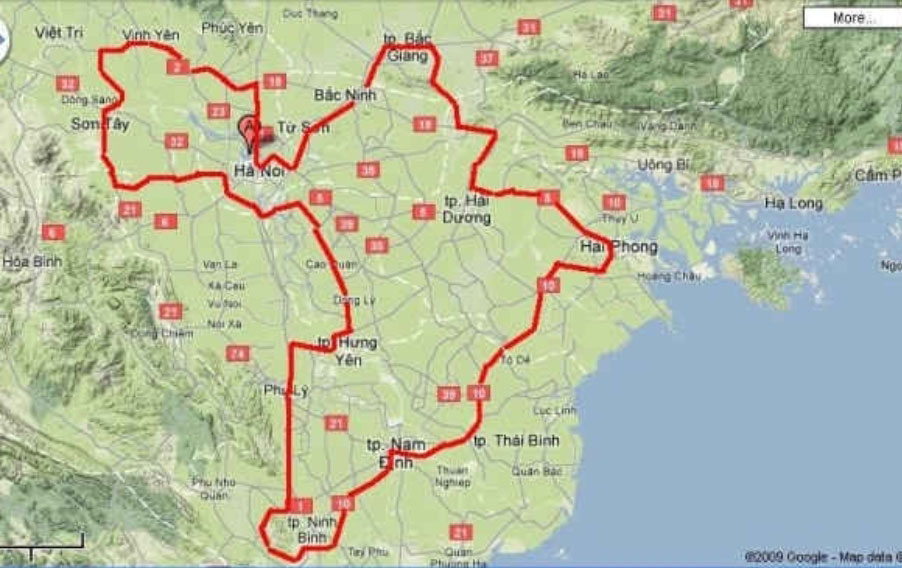
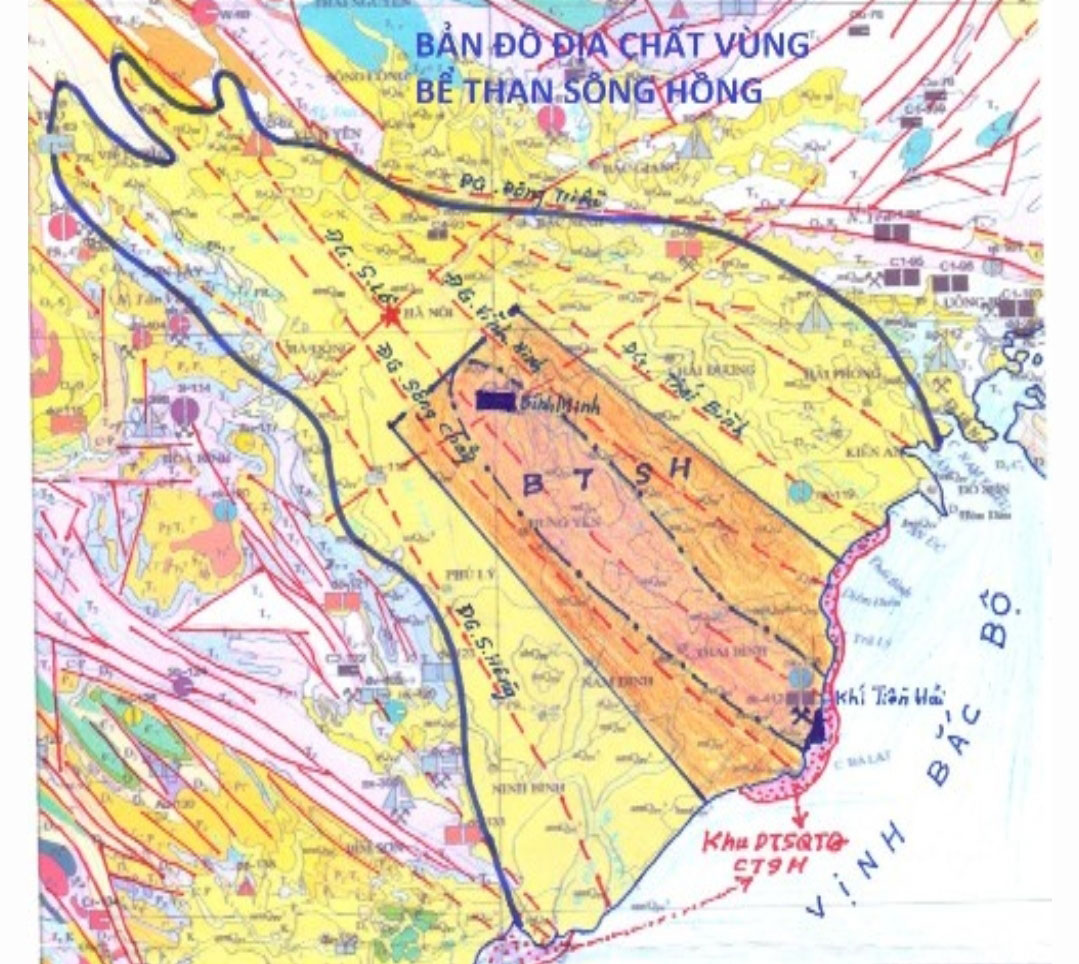
Bể than sông Hồng phần đất liền rộng khoảng 2.765 km2, nằm ở các tỉnh, thành: Hưng Yên, Hà Nam, Thái Bình, Nam Định, Hải Dương, Hải Phòng, Hà Nội. Đây là vùng chứa nhiều khoáng sản quan trọng và cần thiết để phát triển kinh tế, đáng kể nhất là than nâu. Các công trình nghiên cứu về đặc điểm địa chất, tìm kiếm, thăm dò than phần đất liền bể sông Hồng đã được tiến hành từ năm 1954.

Khai phá tiềm năng bể than sông Hồng- Ảnh 2.

Năm 2020, Liên đoàn Địa chất Intergeo phối hợp với một số đơn vị liên quan đã hoàn thành Đề án "Điều tra, đánh giá tổng thể tài nguyên than phần đất liền bể sông Hồng". Theo đánh giá, đề án này có ý nghĩa quan trọng, đánh giá đúng và đủ tài nguyên than bể sông Hồng.

Đề án nêu trên đã đánh giá tiềm năng than và các khoáng sản khác trên diện tích 265 km2, trong đó phần ngoài đê chắn sóng là 75 km2, với tài nguyên than cấp 333 đạt 3 tỉ tấn. Đề án cũng điều tra, đánh giá tổng thể tiềm năng tài nguyên than phần đất liền bể sông Hồng trên diện tích 2.765 km2 đạt hơn 210 tỉ tấn; xác lập các thông số cơ bản của phương pháp khí hóa than ngầm phục vụ việc thăm dò, khai thác và sử dụng.

Theo ông Đồng Văn Giáp, Liên đoàn trưởng Liên đoàn Intergeo, việc triển khai đề án này đã đạt được những kết quả nhất định. Tuy nhiên, để có cơ sở quy hoạch hoạt động thăm dò than trên diện tích bể sông Hồng, ngoài 265 km2 đã được nghiên cứu, cần điều tra, đánh giá tương tự những khu vực có triển vọng như: dải Tiên Lữ - Phù Cừ - Đông Hưng, dải Vũ Thư - TP Thái Bình - Tây Bắc Kiến Xương - Giao Thủy…

Khai phá tiềm năng bể than sông Hồng- Ảnh 3.

Bể than sông Hồng - nằm ở địa phận các tỉnh, thành: Hưng Yên, Hà Nam, Thái Bình, Nam Định, Hải Dương, Hải Phòng, Hà Nội - sẽ được khai thác hiệu quả, an toàn. Ảnh: BỘ TÀI NGUYÊN VÀ MÔI TRƯỜNG

Trữ lượng gấp 20 lần bể than Quảng Ninh

Liên hiệp các Hội Khoa học và Kỹ thuật Việt Nam (VUSTA) từng tổ chức hội thảo khoa học đánh giá tiềm năng khai thác, sử dụng bể than đồng bằng sông Hồng. Các ý kiến tại hội thảo đều khẳng định tiềm năng của bể than sông Hồng, nếu được khai thác có thể tạo ra nguồn thu ngân sách lớn, mở ra một số ngành công nghiệp mới. Tuy nhiên, bể than này có đặc điểm trầm tích, địa chất công trình, thủy văn, môi trường… hết sức phức tạp nhưng tài liệu còn hạn chế.

Theo TS Đào Văn Thịnh, Viện Địa chất và Môi trường - Tổng hội Địa chất Việt Nam, bể than sông Hồng có tiềm năng tài nguyên cao nhất so với các khu vực khác ở Việt Nam. Bể than sông Hồng được chia thành 8 vùng, nếu tính đến độ sâu 3.500 m thì tổng tài nguyên than đạt 210 tỉ tấn, gấp 20 lần bể than Quảng Ninh.

Tuy nhiên, việc khai thác bể than sông Hồng rất khó khăn do nhiều yếu tố như địa chất mỏ, địa chất thủy văn, địa chất công trình… rất phức tạp. Đa số vỉa than nằm ở độ sâu từ -300 đến -1.200 m, tối đa trên -3.000 m; đá vách, đá trụ của vỉa than mềm yếu, có sức bền cơ lý kém nên nguy cơ xảy ra rủi ro khi khai thác. Bể than sông Hồng lại có các đứt gãy kiến tạo - đa số đang hoạt động, đứt gãy sinh chấn...

TS Đào Văn Thịnh cho rằng trước hết cần nghiên cứu chi tiết về đặc điểm địa chất mỏ, địa chất thủy văn, địa chất công trình tại các khu mỏ dự kiến khai thác thử nghiệm; lựa chọn công nghệ khai thác phù hợp, an toàn nhất trong điều kiện cụ thể. Cần tiến hành đánh giá tác động môi trường (ĐTM) tổng quan và chi tiết tại từng khu mỏ; tiếp tục mời các tổ chức tư vấn nước ngoài cùng tham gia nghiên cứu hoặc nghiên cứu riêng một số vấn đề nan giải về kỹ thuật - công nghệ khai thác.

GS-TS Tạ Đức Thịnh, Hội Địa chất công trình Việt Nam, đề xuất mời các đối tác nước ngoài tiếp tục nghiên cứu về công nghệ khai thác hầm lò, công nghệ khí hóa than ngầm. Trước khi khai thác thử nghiệm, ngoài việc nghiên cứu cụ thể, kỹ lưỡng điều kiện địa chất, cần làm rõ thêm hiệu quả kinh tế. 

Nghị quyết 55 năm 2020 của Bộ Chính trị về định hướng Chiến lược phát triển năng lượng quốc gia của Việt Nam đến năm 2030, tầm nhìn đến năm 2045 yêu cầu khẩn trương nghiên cứu công nghệ để có thể khai thác bể than sông Hồng.

Theo tờ trình Chiến lược phát triển ngành công nghiệp than Việt Nam của Bộ Công Thương, cơ quan chức năng sẽ thúc đẩy hợp tác nghiên cứu công nghệ thăm dò, khai thác than vùng đồng bằng sông Hồng để triển khai một số dự án thử nghiệm theo các loại hình, phương pháp khác nhau (khai thác hầm lò, khí hóa than ngầm...). Bộ Công Thương nhấn mạnh mục tiêu là tiến tới khai thác bể than sông Hồng hiệu quả, an toàn, bảo đảm môi trường, an ninh năng lượng và an ninh lương thực.

TheoNLD

Read More

Chủ Nhật, tháng 1 28, 2024

Cảnh giác 3 Nhà Máy Điện Nguyên Tử TQ sát VN

3:29 CH  Bạn cần biết  No comments


TheoFb


Read More

Thứ Sáu, tháng 1 26, 2024

Nhà máy điện giữ 3 kỷ lục "khổng lồ": Vốn lớn nhất, công suất cao nhất, sản lượng nhiều nhất Việt Nam

6:11 CH  Thủy điện  No comments


Sau 7 năm xây dựng, công trình này đã trở thành nhà máy thủy điện lớn nhất Việt Nam cho đến hiện tại và cả khu vực Đông Nam Á thời điểm bấy giờ.

Trái tim của dãy núi Tây Bắc, nơi sông Đà chảy qua, nơi tọa lạc của "ngôi sao sáng" trên bản đồ năng lượng tái tạo của Việt Nam - Nhà máy Thủy điện Sơn La. Dự án trọng điểm quốc gia này được khởi công vào ngày 2 tháng 12 năm 2005, sau 7 năm miệt mài xây dựng, nhà máy đã chính thức khánh thành vào ngày 23 tháng 12 năm 2012. Ở thời điểm đó, dự án này trở thành nhà máy thủy điện lớn nhất Việt Nam và cả khu vực Đông Nam Á.

Nhà máy điện giữ 3 kỷ lục "khổng lồ": Vốn lớn nhất, công suất cao nhất, sản lượng nhiều nhất Việt Nam - Ảnh 1.

Sau khi hoàn thành năm 2012, Nhà máy Thủy điện Sơn La trở thành nhà máy thủy điện lớn nhất Việt Nam và cả khu vực Đông Nam Á ở thời điểm đó. (Ảnh: Trường Đại học Thủy lợi)

Theo trang web của Công ty Cổ phần Sông Đà 9, Nhà máy Thủy điện Sơn La nằm trên Sông Đà tại xã Ít Ong, huyện Mường La, Sơn La.

Theo báo VTC News, để xây dựng công trình Thủy điện Sơn La, 3 tỉnh Sơn La, Điện Biên, Lai Châu phải di chuyển hơn 20.000 hộ dân; trong đó tỉnh Sơn La di chuyển hơn 12.500 hộ. Theo quyết quyết định của Thủ tướng năm 2012 về việc tạm phê duyệt tổng mức đầu tư điều chỉnh thì dự án Thủy điện Sơn La có chi phí gần 60.200 tỷ đồng, trong đó vốn ngân sách gần 16.900 tỷ đồng, chủ yếu phục vụ di dân tái định cư, giao cho các địa phương thực hiện. Còn lại, số vốn hơn 43.000 tỷ đồng là vốn góp của Tập đoàn Điện lực Việt Nam (EVN); trong đó, kinh phí để xây dựng nhà máy thủy điện là hơn 34.800 tỷ đồng; và một phần cho giải phóng mặt bằng.

So với mức vốn dự kiến ban đầu trong khoảng 31.000 - 37.000 tỷ đồng, tổng mức vốn đầu tư cho Nhà máy Thủy điện Sơn La đến thời điểm hoàn thành đã lên tới 58.483,412 tỷ đồng, tăng gần 60%.

Với tổng vốn đầu tư cao như vậy, Nhà máy Thủy điện Sơn La đã trở thành dự án thủy điện có vốn đầu tư lớn nhất ở Việt Nam.

Nhà máy điện giữ 3 kỷ lục "khổng lồ": Vốn lớn nhất, công suất cao nhất, sản lượng nhiều nhất Việt Nam - Ảnh 2.

Nhà máy Thủy điện Sơn La đã trở thành dự án thủy điện có vốn đầu tư lớn nhất ở Việt Nam. (Ảnh: Cục Điều tiết Điện lực)

Theo trang web của Khoa Công trình thuộc Trường Đại học Thủy lợi, công trình thủy điện Sơn La được thiết kế và thi công theo công nghệ mới – Bê tông đầm lăn với nhiều ưu điểm về khống chế ứng suất nhiệt trong bê tông khối lớn và đẩy nhanh tiến độ thi công.

Nhà máy này khai thác thủy năng sông Đà để cung cấp điện năng lên lưới điện Quốc gia với 6 tổ máy, công suất lên tới 2.400 MW. Hồ chứa nước của Nhà máy Thủy điện Sơn La rộng 224 km², lớn hơn hồ chứa nước của Nhà máy thủy điện Hòa Bình (208 km²). Tuy nhiên, dung tích của hồ chứa nước Sơn La lại nhỏ hơn, chỉ đạt 9,26 tỷ mét khối, so với 9,45 tỷ mét khối của hồ Hòa Bình. Dù dung tích nhỏ hơn nhưng với công suất 2.400 MW, công trình thủy điện Sơn La đang là nhà máy thủy điện có công suất lớn nhất ở Việt Nam.

Nhà máy điện giữ 3 kỷ lục "khổng lồ": Vốn lớn nhất, công suất cao nhất, sản lượng nhiều nhất Việt Nam - Ảnh 3.

Hình ảnh bên trong Nhà máy Thủy điện Sơn La. (Ảnh: Trường Đại học Thủy lợi)

Điện lượng trung bình hàng năm của Nhà máy Thủy điện Sơn La đạt 10.246 GWh. Giả sử mỗi hộ gia đình tiêu thụ khoảng 3.600 kWh/năm thì với con số trên Nhà máy Thủy điện Sơn La có thể cung cấp điện cho khoảng 2.846.111 hộ gia đình Việt Nam mỗi năm. Đây là sản lượng điện nhiều nhất mà một nhà máy điện ở Việt Nam có thể sản xuất.

Ngoài ra, hồ thủy điện Sơn La có đập chính ngăn sông Đà cao 138,1 m; chiều dài đỉnh đập 961,6 m, cao gần 90m, sử dụng công nghệ bê tông đầm lăn hiện đại nhất thời bấy giờ. Đập thủy điện Sơn La là đập bê tông đầm lăn cao nhất Việt Nam và đứng thứ 9 trong top những đập cao nhất thế giới, bên cạnh những công trình của Trung Quốc, Nga, Paraguay, Mỹ, Venezuela.

Nhà máy điện giữ 3 kỷ lục "khổng lồ": Vốn lớn nhất, công suất cao nhất, sản lượng nhiều nhất Việt Nam - Ảnh 4.

Đập thủy điện Sơn La đứng thứ 9 trong top những đập cao nhất thế giới. (Ảnh: VTC News)

Nhà máy Thủy điện Sơn La được thiết kế và thi công bởi các kỹ sư và công nhân Việt Nam, các chuyên gia nước ngoài chỉ đóng vai trò giám sát.

Từ những kỷ lục của Nhà máy Thủy điện Sơn La đã minh chứng cho sự phát triển không ngừng của ngành công nghiệp nước ta mà còn khẳng định được bản lĩnh và trí tuệ của dân tộc Việt Nam. Hy vọng trong tương lai, nhà máy này sẽ viết nên những trang sử mới cho ngành năng lượng tái tạo Việt Nam.


TheoCafebiz.vn - Nguyệt Phạm

Read More
Bài đăng mới hơn Bài đăng cũ hơn Trang chủ
Đăng ký: Nhận xét (Atom)

Social Profiles

TwitterFacebookGoogle PlusLinkedInRSS FeedEmail
  • Popular Posts
  • Archives
  • Pioneering renewable energy options: Thailand takes up the challenge
       Thailand’s electricity challenges and the potential of renewable energy Thailand’s support policies for renewable energy (RE) in the...
  • Nhiên liệu sinh học
    Tin Tham Khảo : Các nhà hoạt động môi trường của tổ chức Hòa bình Xanh – Greenpeace, vừa công bố kết quả một công trình nghiên cứu, trong...
  • Năng lượng hạt nhân là gì? Khoa học về năng lượng hạt nhân
      IAEA đang giới thiệu các giải pháp hạt nhân cho những thách thức toàn cầu về năng lượng và môi trường tại Hội nghị Biến đổi Khí hậu lần th...
  • Renewable & Alternative Energy - a fundamentals programme
    Economic stability and sustainability require energy supplies that are cleaner, readily available, reliable and cost-effective. Ren...
  • Top 10 nhà máy điện mặt trời lớn nhất thế giới
      Hàng triệu tấm pin trải dài dưới nắng sa mạc, âm thầm tạo ra nguồn điện cho cả vùng rộng lớn. Dưới đây là Top 10 nhà máy điện mặt trời lớn...
  • Thiên nhiên hoang dã quanh nhà máy hạt nhân Chernobyl
    Sau thảm họa hạt nhân 1986, không còn bóng dáng con người, khu vực quanh Chernobyl trở thành nơi sinh tồn và phát triển của một thế giới đ...
  • How to Calculate Electrical Labor Cost
      There’s no denying that labor costs have a significant impact to any electrical project’s bottom line or that poor planning can risk throw...
  • Nuclear power plant enters service in China
    Aug 8, 2011 ...
  • Phát minh "máy phát điện chạy bằng CO2 đầu tiên trên thế giới" có thể lu mờ nhà máy điện truyền thống
      Trung Quốc vừa đưa vào sử dụng   máy phát điện CO2 siêu tới hạn thương mại đầu tiên trên thế giới   – một công nghệ năng lượng sạch mang t...
  • Chuyện tình đầy cảm động của Stephen Hawking
    Chuyện tình  đầy cảm động của nhà vật lý thiên tài  ...

Bài viết

  • ►  2025 (84)
    • ►  tháng 11 (3)
    • ►  tháng 10 (1)
    • ►  tháng 8 (4)
    • ►  tháng 7 (7)
    • ►  tháng 6 (4)
    • ►  tháng 5 (7)
    • ►  tháng 4 (8)
    • ►  tháng 3 (15)
    • ►  tháng 2 (19)
    • ►  tháng 1 (16)
  • ▼  2024 (359)
    • ►  tháng 12 (29)
    • ►  tháng 11 (18)
    • ►  tháng 10 (24)
    • ►  tháng 9 (11)
    • ►  tháng 8 (38)
    • ►  tháng 7 (59)
    • ►  tháng 6 (45)
    • ►  tháng 5 (28)
    • ►  tháng 4 (36)
    • ►  tháng 3 (36)
    • ►  tháng 2 (16)
    • ▼  tháng 1 (19)
      • Real Zero-How Will We Get There?
      • Khai phá tiềm năng bể than sông Hồng
      • Cảnh giác 3 Nhà Máy Điện Nguyên Tử TQ sát VN
      • Nhà máy điện giữ 3 kỷ lục "khổng lồ": Vốn lớn nhất...
      • Nhà máy thủy điện dưới lòng đất đầu tiên trên thế ...
      • Nhà máy đầu tiên kết hợp thu giữ carbon và lọc nướ...
      • Anh xây nhà máy thu giữ carbon
      • Chiêm ngưỡng hệ thống lưu trữ năng lượng tái tạo d...
      • Thế nào là giá điện 2 thành phần?
      • Thủy điện Thượng Kon Tum - Thuỷ điện có đường hầm ...
      • Lò phản ứng hạt nhân mini sản xuất điện sạch
      • Trung Quốc chính thức khởi công xây nhà máy thủy đ...
      • Thử nghiệm truyền điện Mặt Trời từ vũ trụ của Mỹ t...
      • ‘Thả diều bắt gió’ để tạo ra điện giữa không trung...
      • Dự án nhà máy Hydro xanh Bạc Liêu 15.000 tỷ
      • Turbine gỗ cao nhất thế giới bắt đầu hoạt động
      • Lò phản ứng hạt nhân siêu nhỏ có thể sản xuất 5 MW...
      • Trung Quốc lần đầu tiên sử dụng cáp mặt đất để tru...
      • 'Mặt trời nhân tạo' của Trung Quốc: Mở ra nguồn nă...
  • ►  2023 (241)
    • ►  tháng 12 (12)
    • ►  tháng 11 (25)
    • ►  tháng 10 (16)
    • ►  tháng 9 (16)
    • ►  tháng 8 (30)
    • ►  tháng 7 (22)
    • ►  tháng 6 (42)
    • ►  tháng 5 (14)
    • ►  tháng 4 (11)
    • ►  tháng 3 (14)
    • ►  tháng 2 (10)
    • ►  tháng 1 (29)
  • ►  2022 (119)
    • ►  tháng 12 (17)
    • ►  tháng 11 (12)
    • ►  tháng 10 (14)
    • ►  tháng 9 (16)
    • ►  tháng 8 (5)
    • ►  tháng 7 (6)
    • ►  tháng 6 (9)
    • ►  tháng 5 (7)
    • ►  tháng 4 (9)
    • ►  tháng 3 (5)
    • ►  tháng 2 (10)
    • ►  tháng 1 (9)
  • ►  2021 (273)
    • ►  tháng 12 (20)
    • ►  tháng 11 (20)
    • ►  tháng 10 (7)
    • ►  tháng 9 (14)
    • ►  tháng 8 (12)
    • ►  tháng 7 (30)
    • ►  tháng 6 (32)
    • ►  tháng 5 (23)
    • ►  tháng 4 (14)
    • ►  tháng 3 (37)
    • ►  tháng 2 (31)
    • ►  tháng 1 (33)
  • ►  2020 (444)
    • ►  tháng 12 (63)
    • ►  tháng 11 (54)
    • ►  tháng 10 (37)
    • ►  tháng 9 (17)
    • ►  tháng 8 (39)
    • ►  tháng 7 (38)
    • ►  tháng 6 (36)
    • ►  tháng 5 (63)
    • ►  tháng 4 (37)
    • ►  tháng 3 (12)
    • ►  tháng 2 (24)
    • ►  tháng 1 (24)
  • ►  2019 (293)
    • ►  tháng 12 (23)
    • ►  tháng 11 (16)
    • ►  tháng 10 (17)
    • ►  tháng 9 (30)
    • ►  tháng 8 (26)
    • ►  tháng 7 (32)
    • ►  tháng 6 (19)
    • ►  tháng 5 (18)
    • ►  tháng 4 (19)
    • ►  tháng 3 (18)
    • ►  tháng 2 (28)
    • ►  tháng 1 (47)
  • ►  2018 (489)
    • ►  tháng 12 (41)
    • ►  tháng 11 (23)
    • ►  tháng 10 (30)
    • ►  tháng 9 (35)
    • ►  tháng 8 (68)
    • ►  tháng 7 (48)
    • ►  tháng 6 (34)
    • ►  tháng 5 (40)
    • ►  tháng 4 (47)
    • ►  tháng 3 (61)
    • ►  tháng 2 (30)
    • ►  tháng 1 (32)
  • ►  2017 (328)
    • ►  tháng 12 (54)
    • ►  tháng 11 (50)
    • ►  tháng 10 (42)
    • ►  tháng 9 (31)
    • ►  tháng 8 (37)
    • ►  tháng 7 (22)
    • ►  tháng 6 (14)
    • ►  tháng 5 (20)
    • ►  tháng 4 (8)
    • ►  tháng 3 (15)
    • ►  tháng 2 (16)
    • ►  tháng 1 (19)
  • ►  2016 (210)
    • ►  tháng 12 (21)
    • ►  tháng 11 (20)
    • ►  tháng 10 (29)
    • ►  tháng 9 (35)
    • ►  tháng 8 (14)
    • ►  tháng 7 (13)
    • ►  tháng 6 (9)
    • ►  tháng 5 (15)
    • ►  tháng 4 (14)
    • ►  tháng 3 (14)
    • ►  tháng 2 (12)
    • ►  tháng 1 (14)
  • ►  2015 (159)
    • ►  tháng 12 (11)
    • ►  tháng 11 (18)
    • ►  tháng 10 (15)
    • ►  tháng 9 (13)
    • ►  tháng 8 (12)
    • ►  tháng 7 (14)
    • ►  tháng 6 (15)
    • ►  tháng 5 (11)
    • ►  tháng 4 (10)
    • ►  tháng 3 (12)
    • ►  tháng 2 (14)
    • ►  tháng 1 (14)
  • ►  2014 (193)
    • ►  tháng 12 (15)
    • ►  tháng 11 (16)
    • ►  tháng 10 (17)
    • ►  tháng 9 (21)
    • ►  tháng 8 (17)
    • ►  tháng 7 (14)
    • ►  tháng 6 (16)
    • ►  tháng 5 (17)
    • ►  tháng 4 (13)
    • ►  tháng 3 (17)
    • ►  tháng 2 (14)
    • ►  tháng 1 (16)
  • ►  2013 (161)
    • ►  tháng 12 (14)
    • ►  tháng 11 (13)
    • ►  tháng 10 (11)
    • ►  tháng 9 (12)
    • ►  tháng 8 (10)
    • ►  tháng 7 (13)
    • ►  tháng 6 (13)
    • ►  tháng 5 (14)
    • ►  tháng 4 (10)
    • ►  tháng 3 (13)
    • ►  tháng 2 (19)
    • ►  tháng 1 (19)
  • ►  2012 (174)
    • ►  tháng 12 (23)
    • ►  tháng 11 (21)
    • ►  tháng 10 (17)
    • ►  tháng 9 (15)
    • ►  tháng 8 (12)
    • ►  tháng 7 (17)
    • ►  tháng 6 (13)
    • ►  tháng 5 (12)
    • ►  tháng 4 (12)
    • ►  tháng 3 (12)
    • ►  tháng 2 (11)
    • ►  tháng 1 (9)
  • ►  2011 (86)
    • ►  tháng 12 (7)
    • ►  tháng 11 (6)
    • ►  tháng 10 (10)
    • ►  tháng 9 (3)
    • ►  tháng 8 (8)
    • ►  tháng 7 (5)
    • ►  tháng 6 (11)
    • ►  tháng 5 (12)
    • ►  tháng 4 (9)
    • ►  tháng 3 (5)
    • ►  tháng 2 (2)
    • ►  tháng 1 (8)
  • ►  2010 (23)
    • ►  tháng 12 (6)
    • ►  tháng 11 (9)
    • ►  tháng 10 (4)
    • ►  tháng 9 (4)
  • ►  2006 (1)
    • ►  tháng 9 (1)

 
  • Số lượt xem trang

Copyright © 2011 Gaga1938 ' s blog | Powered by Blogger
Design by NewWpThemes | Blogger Template by Lasantha - Premium Blogger Template
Best Wordpress Hosting